Paul Shearsmith’s Volvo Amazon in Mario’s Cafe, Kentish Town
Life size car photography by Douglas Cape, Z360
Paul Shearsmith’s Volvo Amazon in Mario’s Cafe, Kentish Town
Life size car photography by Douglas Cape, Z360
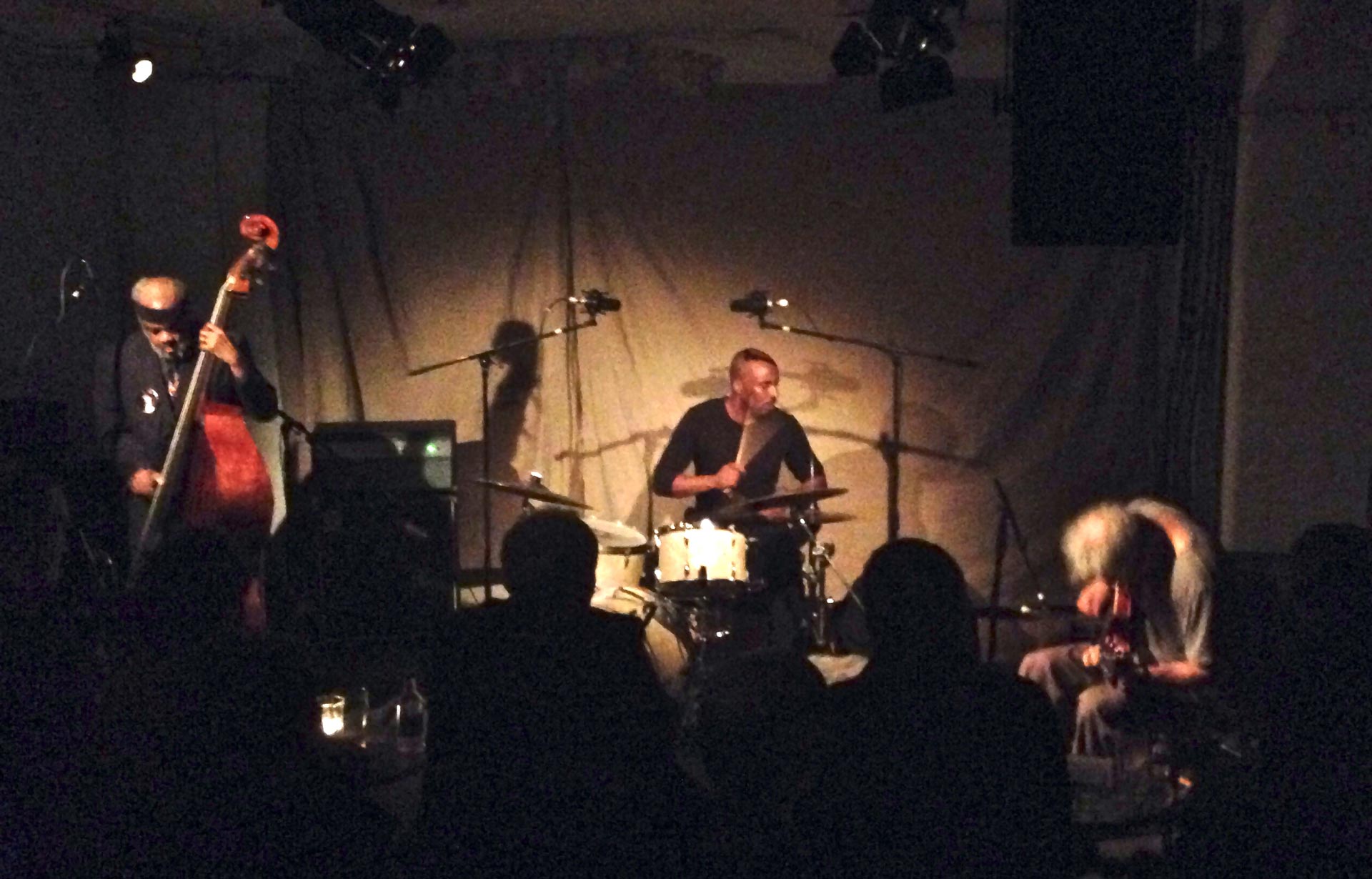
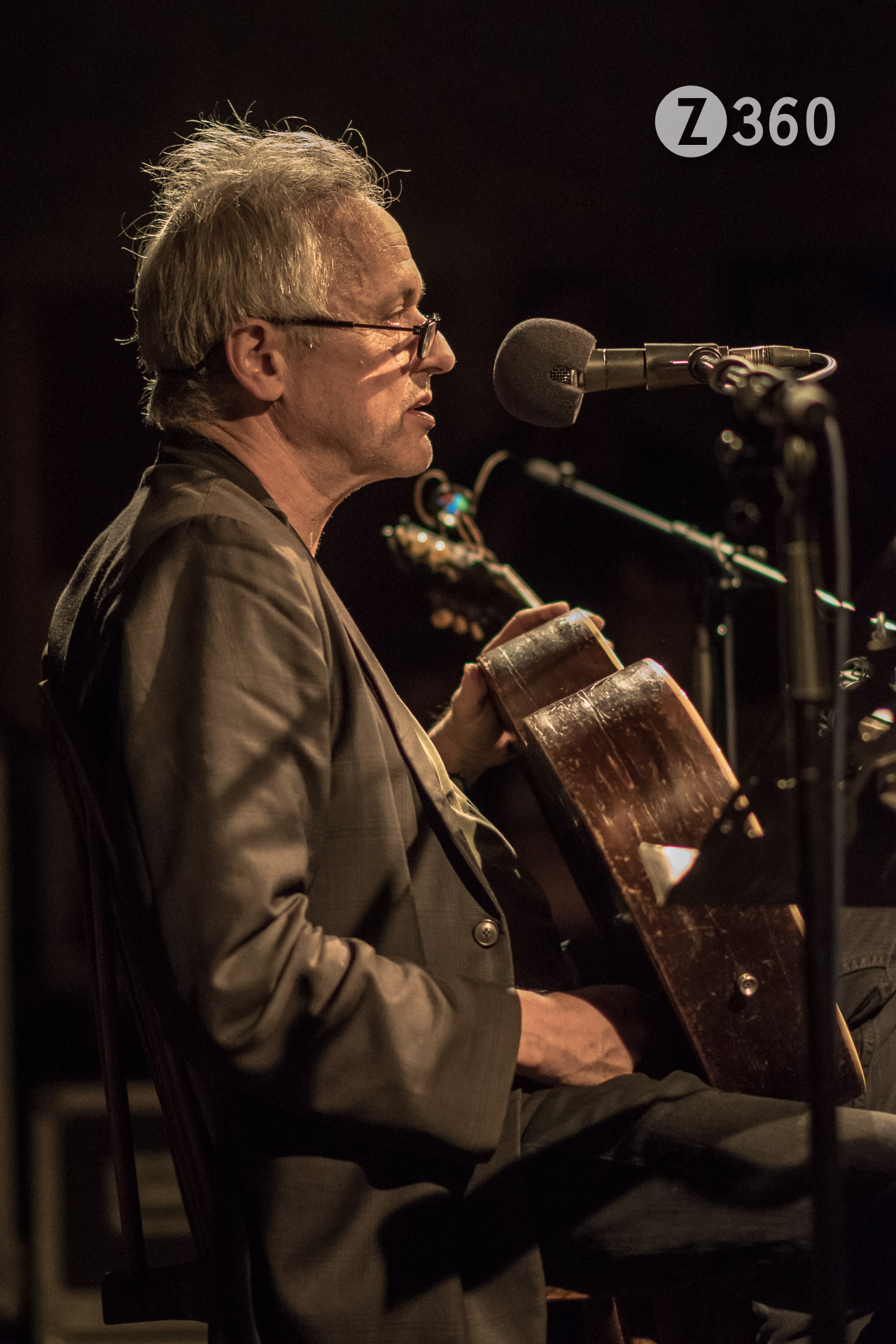
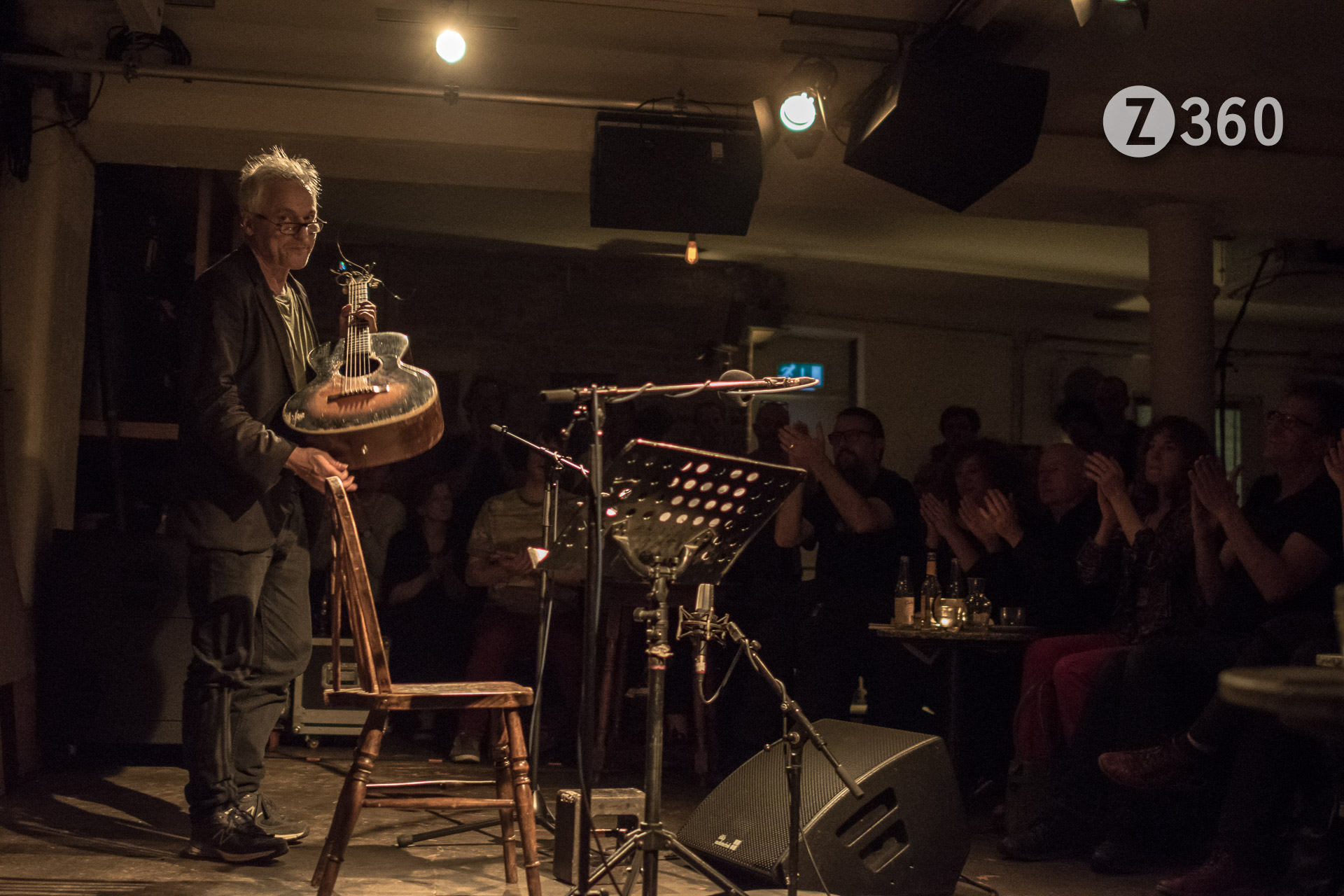
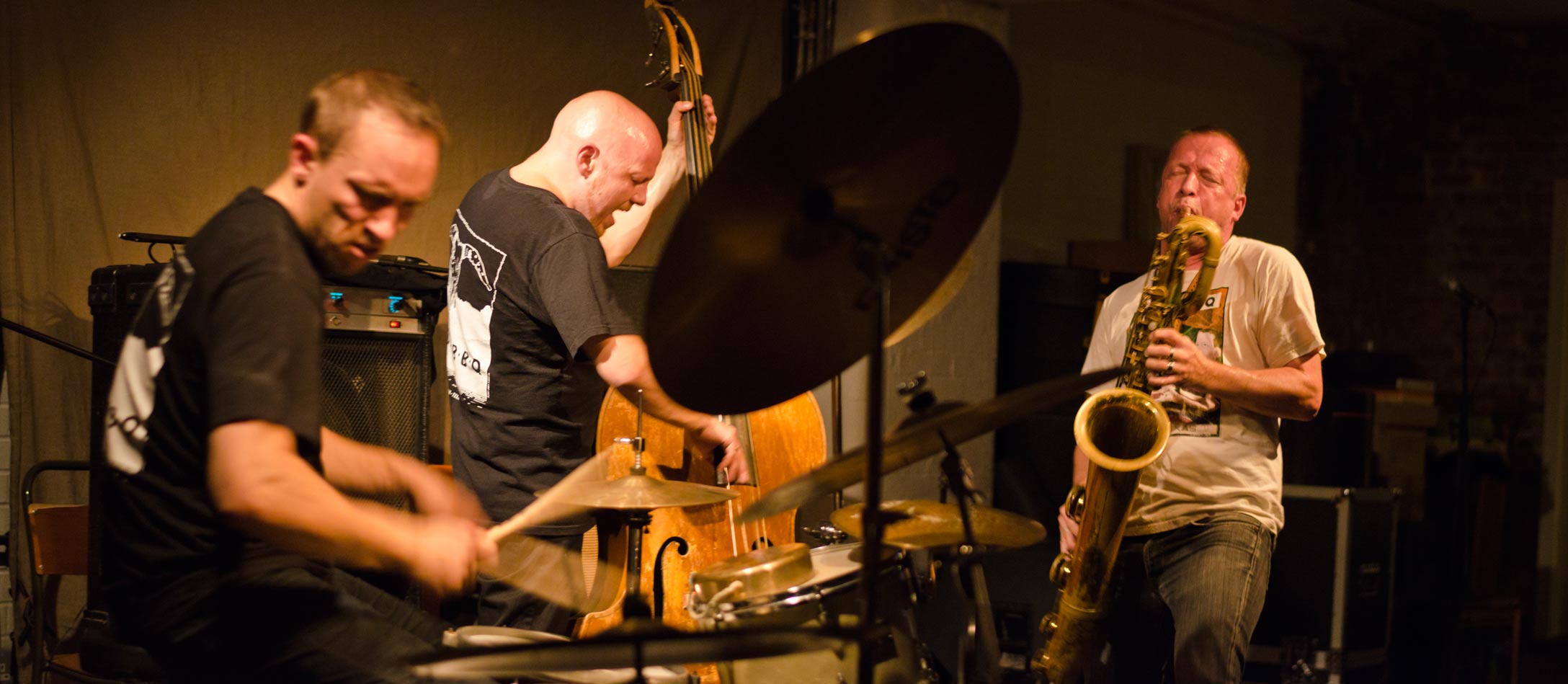
The Marc Ribot Trio dropped into a packed Cafe Oto with Henry Grimes on acoustic bass as the NY history man of 60s free jazz, and on drums the muscular Chad Taylor from Chicago. Just visible in the corner on his chair was a middle aged workman in a dirty T shirt, his body folded over his guitar. Marc played 2 seamless symphonic sets, with nary a word, just a few applause breaks, especially for the septuagenarian Henry. The music was free jazz but encompassed show tunes, cartoon breaks, marching songs, pop riffs, angular funk and metal shredding runs. It was a capsule history of 20th century American popular music, of which more later…

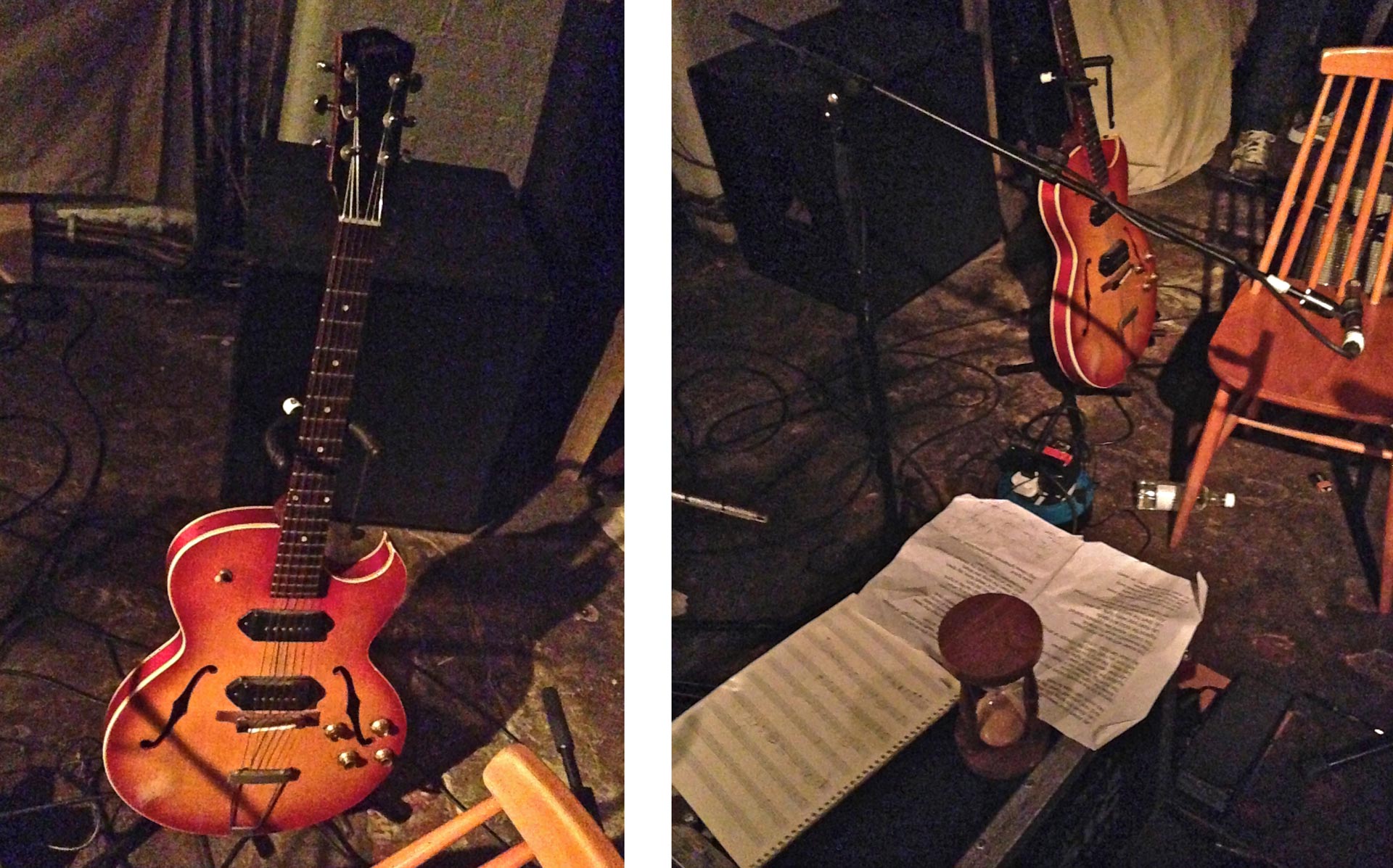
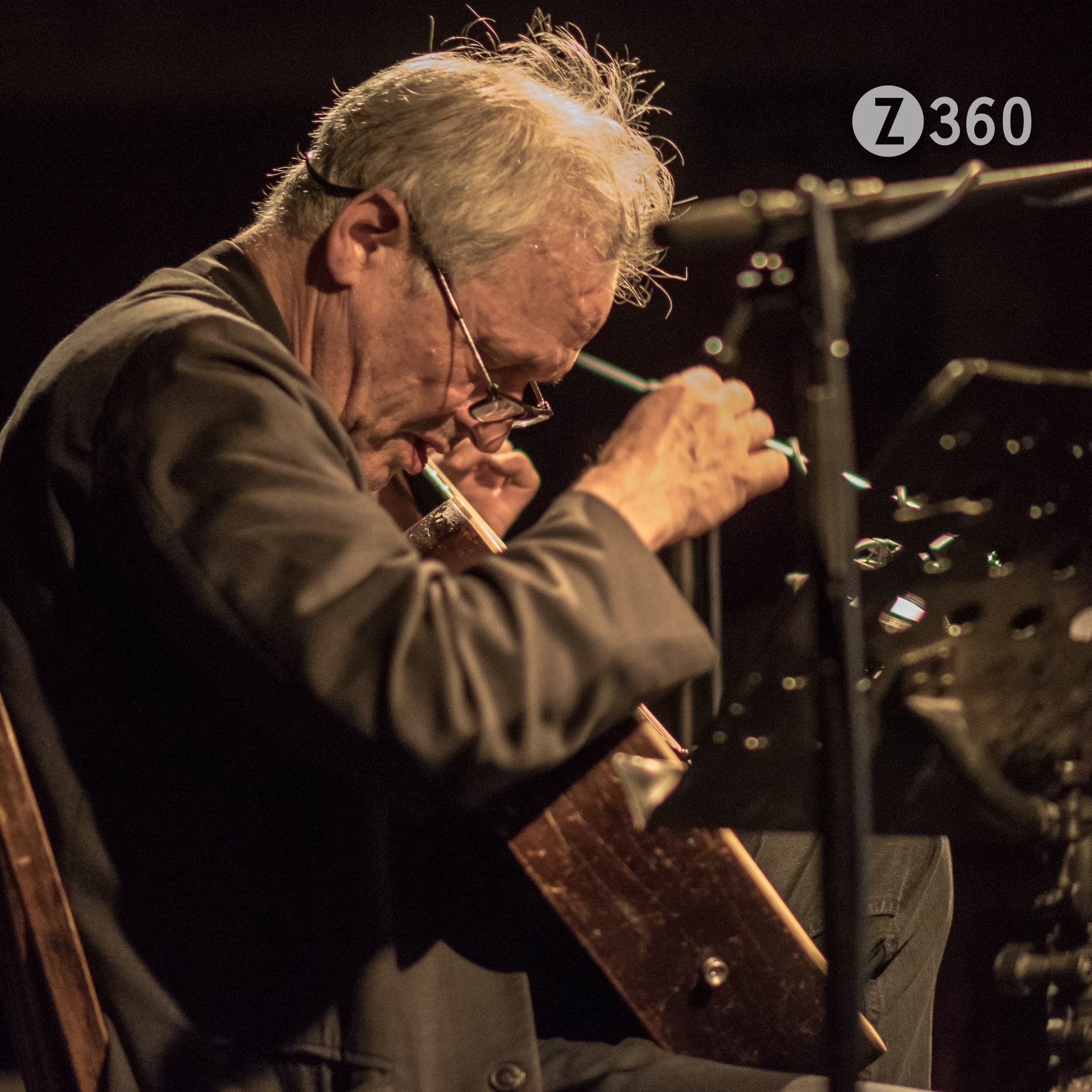
Marc Ribot plays a Gibson ES-125TDC circa 1962. This is a semi acoustic thin bodied dual pickup electric guitar (famously played by George Thorogood) which he used for every guitar style known to man. He accomplished this with a unique but simple setup of one pedal and one guitar mic, allowing full usage of the electro-acoustic qualities of the guitar. For the the riffing and the metal runs the guitar mic was pushed aside, but for most of the set the guitar mic was just a few inches from his guitar allowing a unique blend of sounds, and then suddenly a lever was flicked and we were back in the prairie with a steely acoustic country guitar whispering to us. Most remarkably he leant over his guitar, his chin appearing to rest on the body, the guitar mic a fraction away as screeds of notes poured out in concentrated flurries – completely hunched over but his arms flying up and down the guitar. At one point you could hear his gritted breath through the guitar mic, no doubt intentionally.

During the first set we went a from classic click-clack drumbeat into what sounded to me like Gabor Szabo’sThe Beat Goes On, well it was funky and Latin anyway! Marc’s cover versions often have a very remote relationship to the original and in no time the music had metamorphosed into angular 80s Bill Frisell style jazz funk, finishing with a chomping Stevie Ray Vaughan blues flourish. A lyrical show tune began the second set echoing the smooth classic jazz of Wes Montgomery and we sped through a catalogue of American styles rapidly coming apart at the seams, at one point sustained riffing drawing applause. As the music splintered, only lightened by bass and drum solos, we heard snatches of the American songbook being deconstructed, reaching its lyrical apogee with a version of Bob Dylan’s Lay Down Your Weary Tune. Yes he sang a song both appropriate and somehow elegiac, Marc’s tremulous voice following not the vocal but the guitar line:
Lay down your weary tune, lay down
Lay down the song you strum
And rest yourself ’neath the strength of strings
No voice can hope to hum
It felt like a Requiem for America…
Update 14 May 2019
Marc played a solo acoustic gig at Cafe Oto
Magnificent and quieter tonight –
But better photos:
Everyone loved it
Thank You
∞
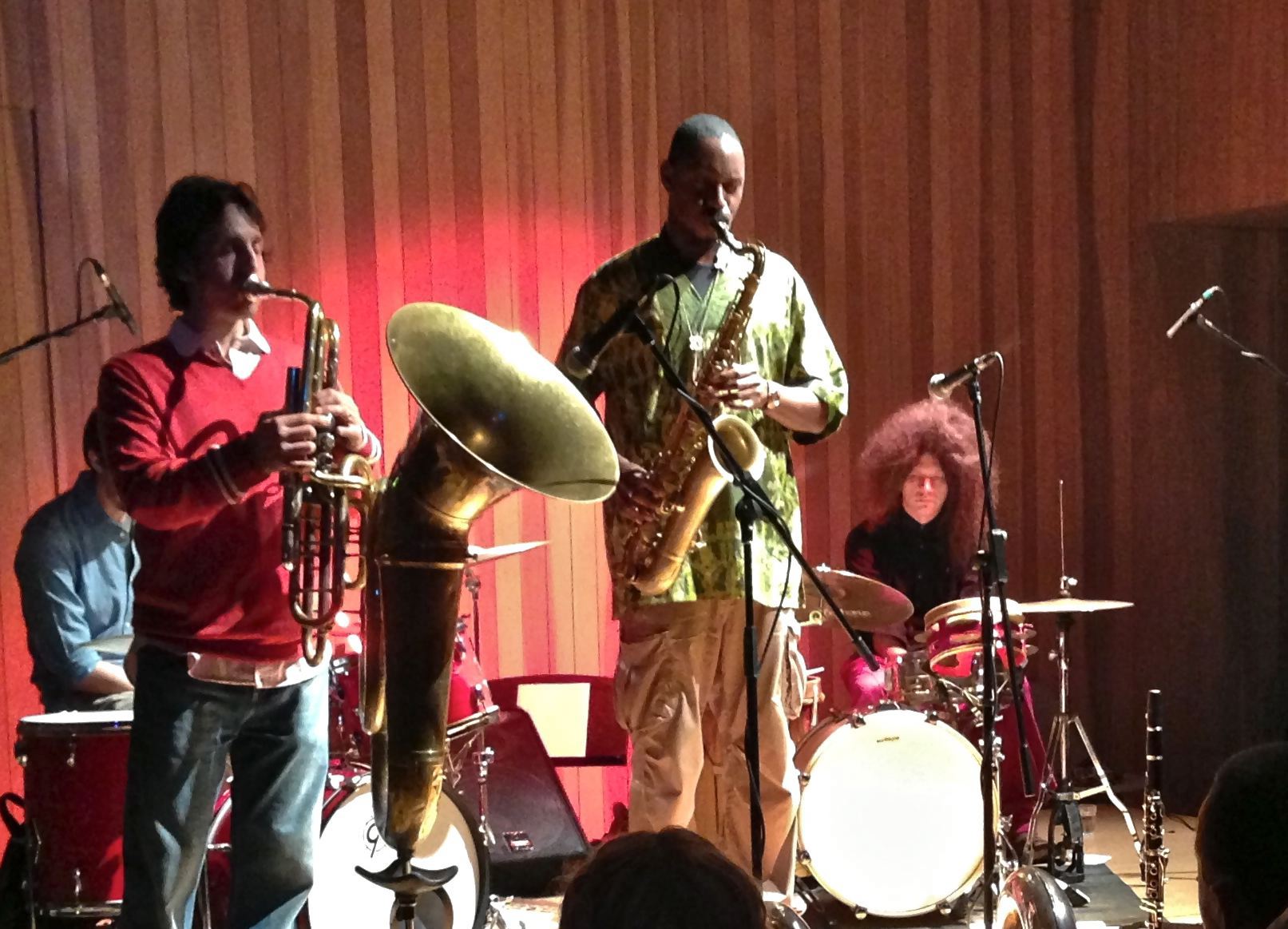
Well seen Shabaka a few times, always very impressed with his bass clarinet, but this was a revelation. Maybe all bands with 2 drummers are awesome (pace Nils Petter Molvaer and Khmer) but here we had 2 drummers, a tuba, and Shabaka. Wow! They are called The Sons of Kemet.
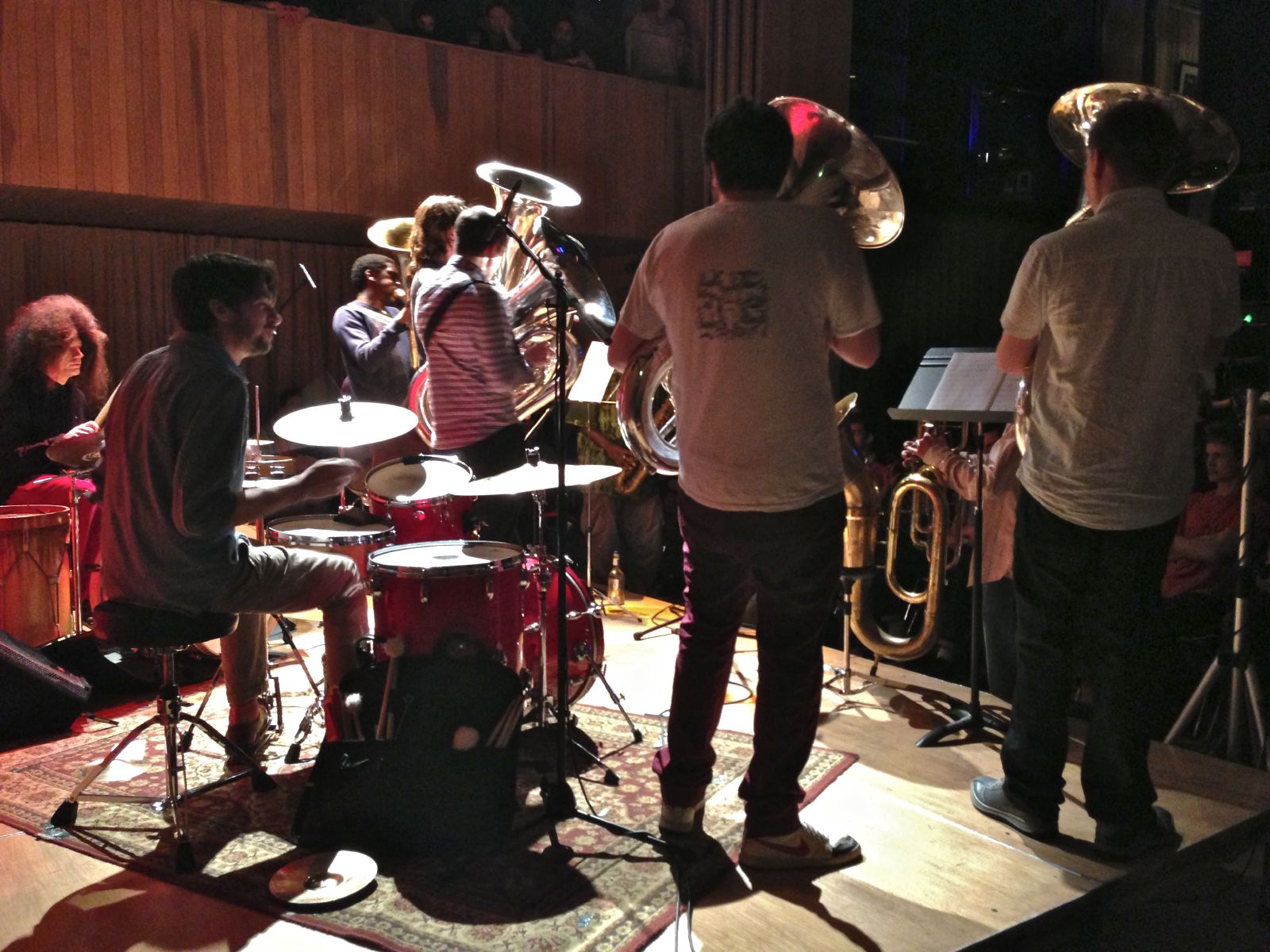
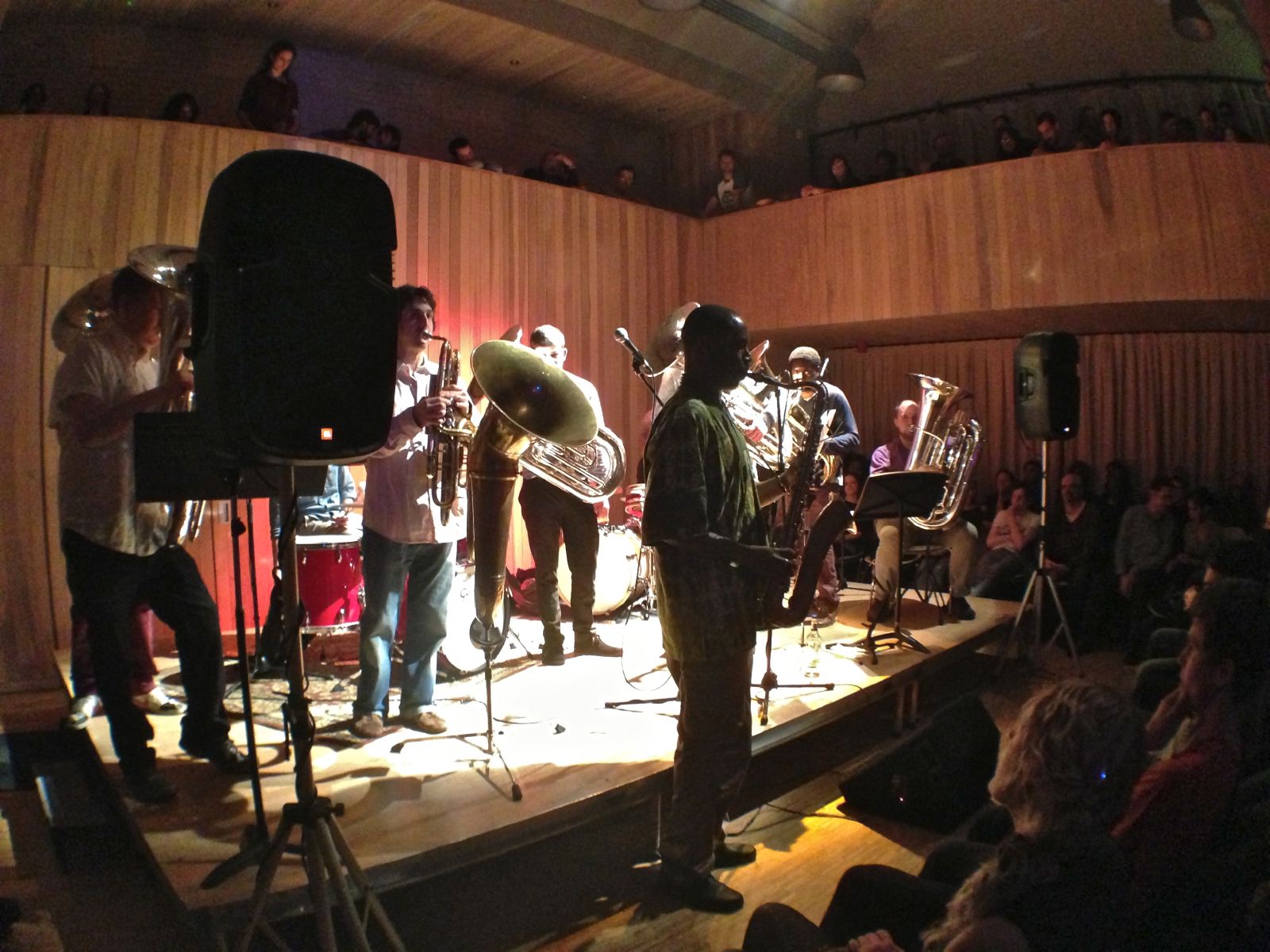
Of course it helps if one of the drummers is Seb Rochford, already a legend on the modern London Jazz scene with Acoustic Ladyland and the other, Tom Skinner, is highly experienced with Matthew Herbert. Meanwhile Oren Marshall is a tuba player to compete with the legendary Bob Stewart of Arthur Blythe‘s Lenox Avenue Breakdown – who was actually the last tuba player I saw really holding down the bass seat. But wait, the best was yet to come, since at several points there were 7 Tuba players, which as you can imagine was awesome!
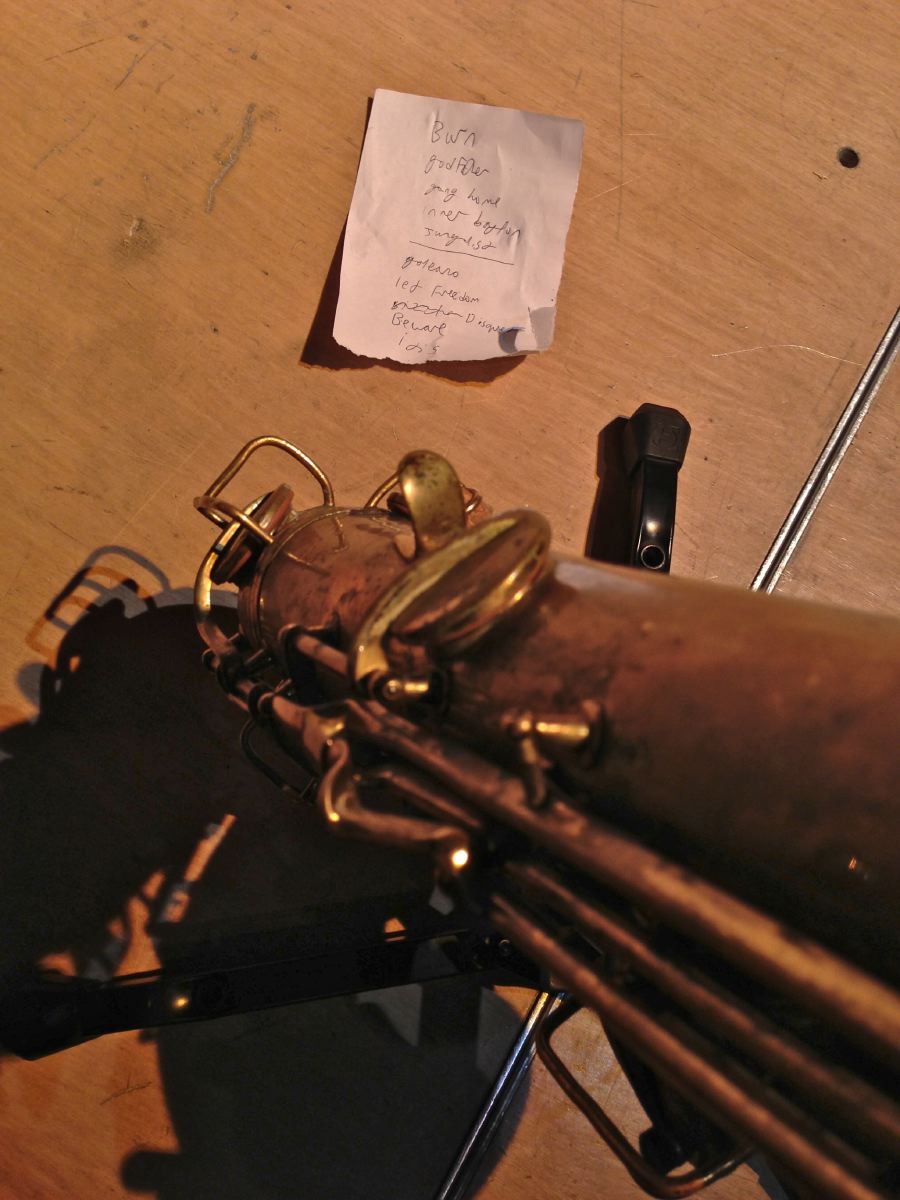
So in one overpowering sax moment (probably a version of Beware, from the yet to be released album) Shabaka went from the broken melody of Ornette to the wails of Coltrane, finishing on some bass notes from Hamiet Bluiett. Just on a Tenor, I believe. There is a remarkable sense of melody to his improvisations as he weaves like a snake and then chirrups like a bird, entrancing the listener. In the background there is a pulsating double drummer tuba rhythm shaking the foundations and at the front Britain’s new jazz master. I couldn’t ask for more.
The Finale was with the 7 tubas (alumni of Oren) which swept us away on a crazy wave, followed by an improvised Rivers of Babylon with the tubas requested to drone an E Flat. Awesome!
All happened at The Forge, 3-7 Delancey Street, London, NW1 7NL
Photos taken on iPhone 5, next time I hope to use a proper camera…
UPDATE : Saw Shabaka at the great Boat-Ting and took some proper photos
In 1992 Quicktime 1.0 was launched. This was followed in 1994 by Windows friendly Quicktime 2.1 which, along with QuickTime VR 1.0, could play Panoramas and Objects in a discrete QTVR Player or in a browser plugin for Netscape Navigator.
In Quicktime 2.5, with an updated QuickTime VR 2.0, these items were integrated to make a free universal VR Player. Interactive multimedia had arrived!
So the Player was free, but to make this interactive multimedia you required the QuickTime VR Authoring Tools Suite which comprised of 2 huge binders, a video and lots of floppy discs. There was no GUI (graphical user interface), you had to write code in MPW 3.2 (Macintosh Programmer’s Workshop) and use Hyper Card and ResEdit. This Tools Suite cost $2,000 and could only run on a $4,000 Apple computer. Despite regular crashes (normal in those days) and a long learning curve, it all worked.

Panorama made using MPW 1997, but the Quicktime VR Player no longer works. Part of a Camden Lock Tour which appeared on a MacWorld cover CD in 1999.
It is worth remembering there was no broadband, only modems working at a fraction of the speed, and that digital cameras were in their infancy, so most projects had to be digitised from film, often using Photo CD.
In late 1997 QuickTime VR 2.0 Authoring Studio with a full GUI and batch mode was released for $500, bringing VR into the mainstream. The Authoring Tools made cylindrical panoramas, object movies and tours with internal and external links. For many years this programme was the default panorama maker, despite later competition from RealViz Stitcher, Powerstitch and VR Worx.
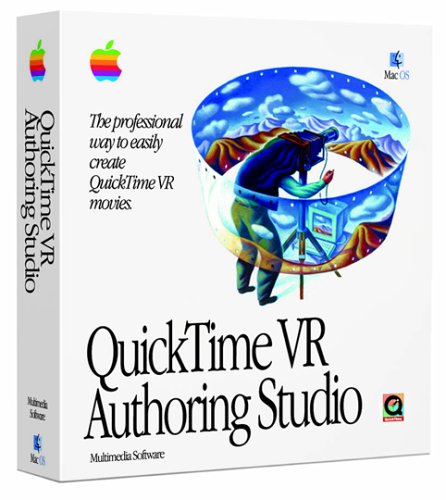
Quicktime was steadily updated, although Quicktime 4.1 notoriously re-numbered all your hotspots so you never actually went where you had intended. At the same time other panorama players appeared, unfortunately including the litigious Interactive Pictures Corporation (IPIX) who threatened to sue anyone who distributed software to create 360 degree panorama images, including the software developer Helmut Dersch and also Live Picture’s PhotoVista. IPIX, which charged $25 per panorama created, were to go bankrupt in 2006, hoist by their own petard: patent violation.
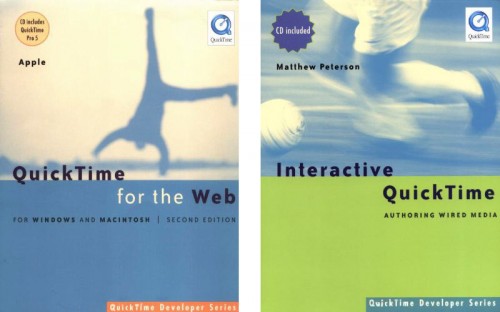
Apple supported Quicktime VR with special Showcase pages and a vibrant Apple QuickTime VR mailing list. The flexibility of Quicktime VR allowed the creation of true multimedia experiences. These 2 huge tomes in the Quicktime Developer Series illustrate the potential power of this technology.
Perhaps inspired by Helmut Dersh’s Panorama Tools, in 2001 Quicktime 5 introduced the spherical (360ºx180º) panorama player which we know today. By this time Quicktime supported mp3, Flash 4, streaming and “wired” movies. These wired movies allowed an authoring application to unlock the power of Quicktime, of which the prime example was Livestage Media Pro, allowing you to skin Quicktime and integrate different media and players interactively. Sadly this example no longer works as it did from 2004 to 2015.
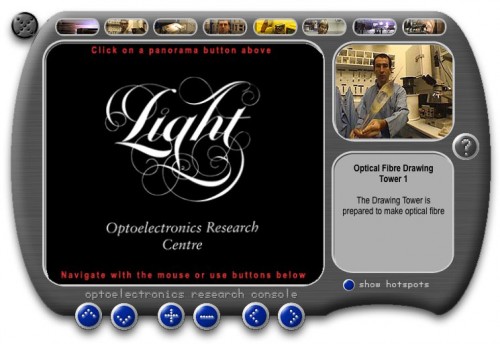
Console Tour with panoramas, video, audio, text, hotspots, controls
With the advent of spherical panoramas new software appeared such as PTMac, IBM Hot Media, Cubic Converter, PhotoWarp and finally PTGui, the current stitcher of choice. Apple never updated QTVRAS (QuickTime VR Authoring Studio) to stitch spherical images or run in OSX except under emulation.
During the early days of Quicktime VR a large amount of effort was spent persuading PC owners to download Quicktime, so they could view the media. This problem evaporated after Apple launched iTunes in 2001 (after buying Soundjam) and in effect Quicktime became the de facto music player. It was all looking rosy, but in retrospect it was at this time that Apple started to lose interest in Quicktime VR, and now iTunes can now no longer play interactive media.
With the advent of Quicktime 7 in 2005 the writing was on the wall when Flash support was dropped in version 7.3 along with several other interactive features due to “security concerns”, breaking many interactive projects. In the same year a very smooth Open GL panorama player called Cubic Navigator was launched using the latest graphics technology, but Apple did not respond. Since Quicktime 7.5 in 2008 the feature set has not been updated apart from security and compatibility updates. Quicktime 7.6 is now an “optional install” on Apple computers. It should be remembered that Quicktime 7 in the Pro version ($30) is a very powerful and flexible movie editor and compressor using the the same codecs as Final Cut Pro Studio ($1,700).
In 2009 Apple dropped support for Quicktime VR with the launch of Quicktime X, which does not play QTVR or edit movies, despite claiming it was “ideal for any application that needs to play media content”, and that it would “advance modern media and Internet standards”. In doing so they handed over the multimedia baton to Flash (now the default panorama player), their alleged opponents. Apple’s eventual response (link now removed by Apple) was an HTML5 player which was an insult to the rich tradition of Quicktime VR. It was an ignominious end for the very technology Apple had invented and promoted so strongly.
So try making this today, it might be possible in Flash using KRPano, but in 1999 we had a cool GUI in SoundsaVR to edit the multiple overlapping loops. This panorama, only 1.2mb so it could be delivered over a modem, was a big hit at MacWorld 1999.
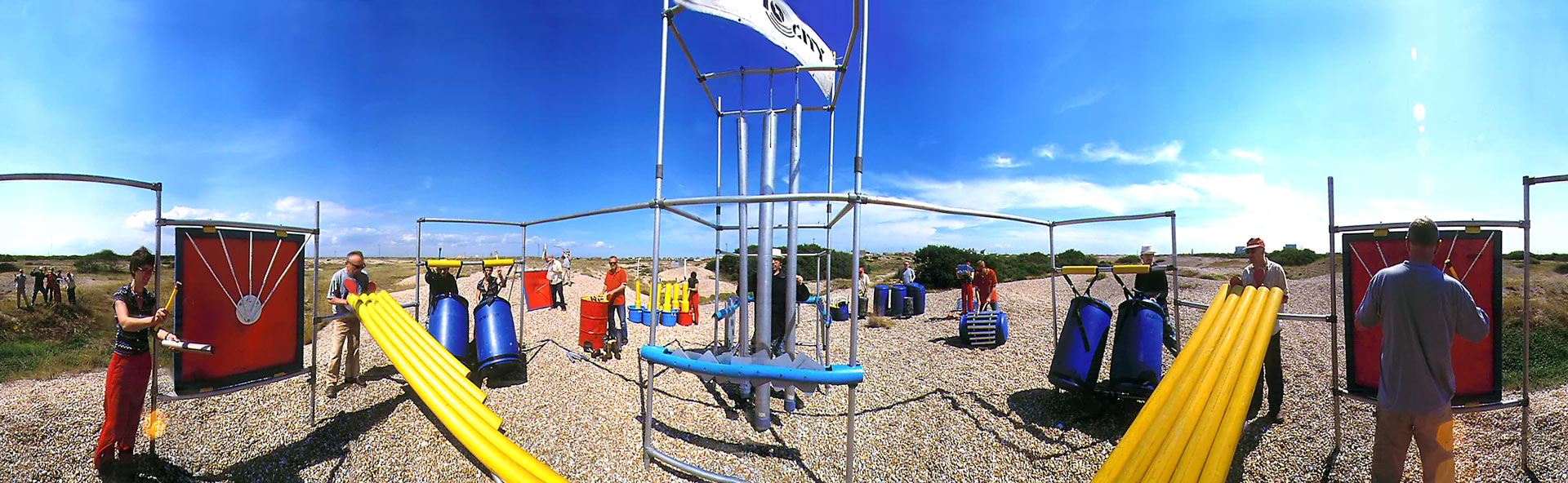
Coda
Of course interactive multimedia plays on, with incredible gigapixel panoramas in Flash and swishy cool HTML5 panoramas on the iPhone and iPad. However to make these we are back hand coding in XML, while the wired possibilities of Quicktime have been abandoned. Quicktime VR still functions (in some browsers) and Quicktime 7 is still available, but for how long?
Update 8/12/15
Today Apple finally destroyed their own creation, Quicktime VR.
In a “Security Update” Apple silently removed the Quicktime Plug-in which played Panoramas.
Apple stated “If you’re using the legacy QuickTime 7 web plug-in to display panoramic images, use an HTML5-based panorama viewer instead. Search the web for a panorama viewer that doesn’t require a web plug-in.”
Appallingly disingenuous since there is no HTML5 player that can play Quicktime VR without the author re-encoding the original panorama. Shame on you, Apple.
PS
To restore the Quicktime VR plug-in on OSX
Go to Library/InternetPlug-Ins
Move these two files from the Disabled Plug-Ins folder to the Internet Plug-Ins folder:
QuickTime Plugin.plugin
nslQTScriptablePlugin.xpt
Hurrah !
All VR examples © z360.com
Thanks To :
Tim Monroe
Ken Turkowski
Joel Cannon
David Palermo
and many others on the Apple QuickTime VR team
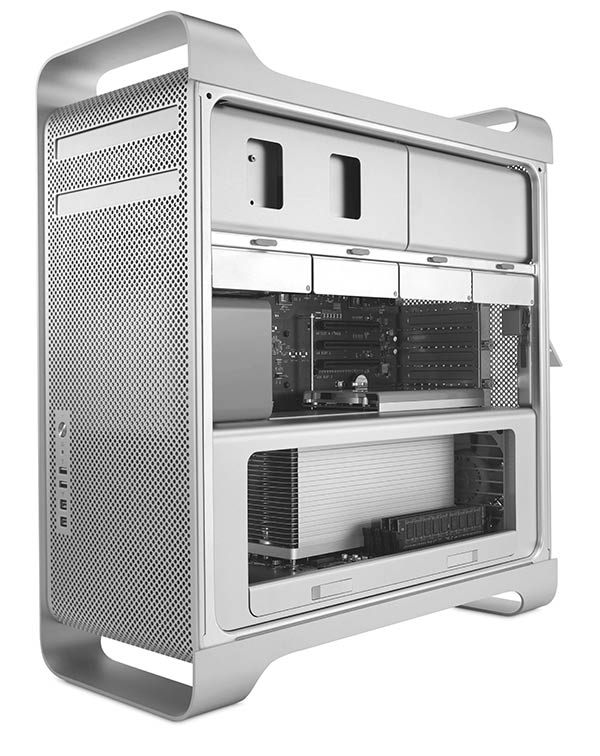
Or How to Transform a 2009 Mac Pro into a 2012 Mac Pro
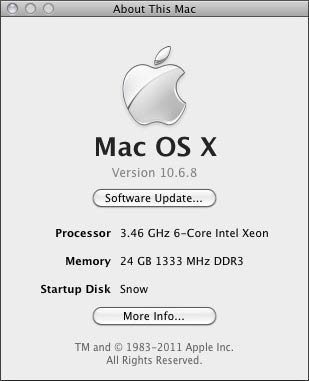
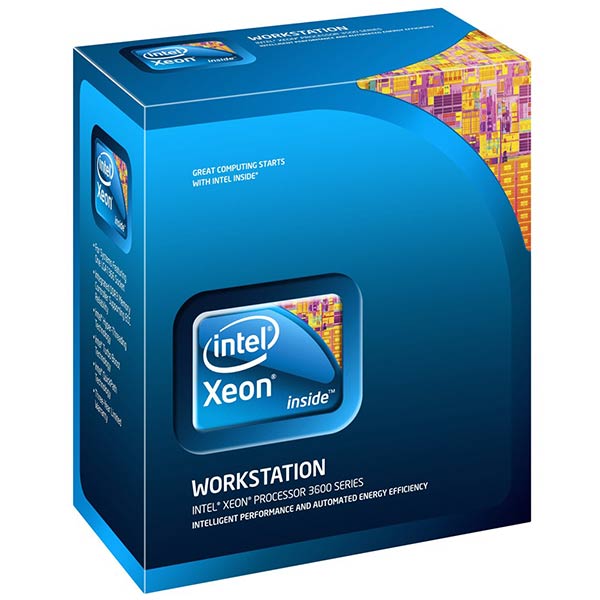
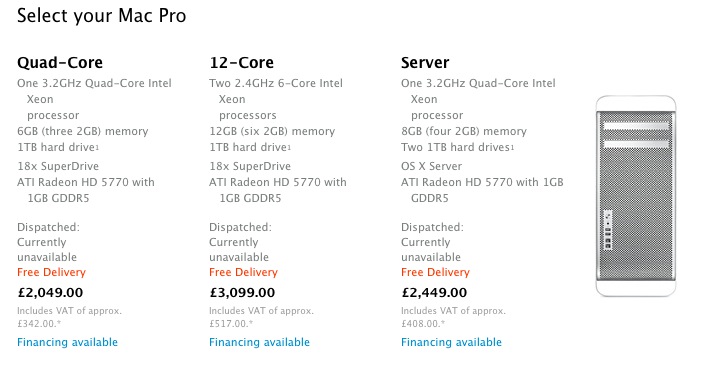
I have installed a 3.46ghz Zeon W3690 (3.73ghz Turbo Boost) processor into my 2009 Mac Pro, replacing the original 4 core 2.93ghz chip, making it a 6 core machine with 12 virtual threads. This chip is faster and better specified than any currently available from Apple (They only sell an older 3.33ghz), yet is a simple replacement job. Hence the headline grabbing “World’s Fastest” claim, along of course with the many others who have doubtless carried out this conversion, so let’s call it first equal.
Rather sad that this processor is not available from Apple and that no improvements were made to the beautifully engineered Mac Pro line in 2011, here’s hoping they will be upgraded in 2012, despite the rumours.
Well when I say simple replacement, I still had to upgrade the firmware to turn my computer from a 4.1 model into a 5.1 2010 Mac Pro, apparently the only actual difference between 2009 and 2010 models. Many thanks to MacEFIRom at netkas.org for his Firmware Upgrade Utility which worked seamlessly and has the side benefit of enabling faster 1333mhz RAM and allowing audio out from the Mini Display Port. Naturally applying any unsupported firmware update or changing the processor will void AppleCare and your Guarantee.
The only tool required was a very long 3mm hex wrench to unscrew the heatsink, and then some Arctic Silver Thermal Compound for the CPU. All went smoothly if nervously and my renewed Mac Pro restarted first time with nary a crash since. The power requirements and temperature limits of the new Xeon chip are identical to the older one. There are some thorough instructions here at MacRumors. This procedure may also be carried out on dual processor machines, but is a little more complicated.
Following this other improvements were made, including 24gb RAM from OWC, an internal RAID 0 hard disk, and a faster graphics card. For me, who needs a machine like this for making gigapixel panoramas (5-10gb files), the biggest improvement in actual usage was the increased RAM. Results for the real world retouchartists.com speed test showed an improvement from 21secs to 11.2secs, which demonstrates the faster processor. To put this in perspective my 2005 dual 2.7ghz G5 Power Mac took 65secs to carry out this test. That’s Progress…
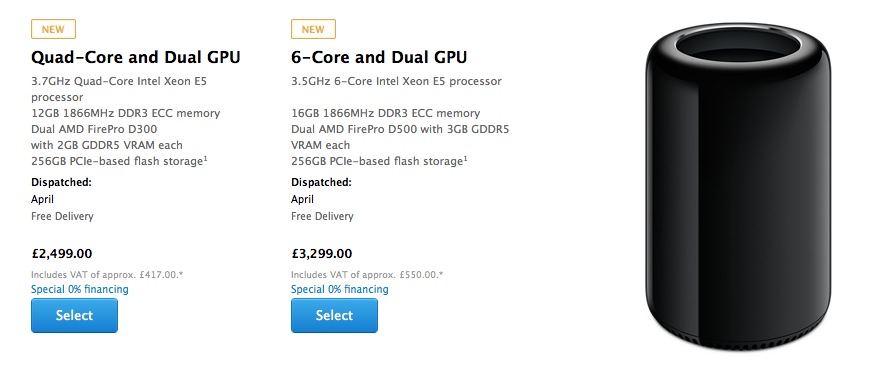
I can only say Seriously not Great…
Well I think it looks small and cool and am relieved it exists. I certainly don’t need one though since it will hardly be any faster for my work, plus it has no internal drive space and so requires an expensive external Thunderbolt drive array for any real work.
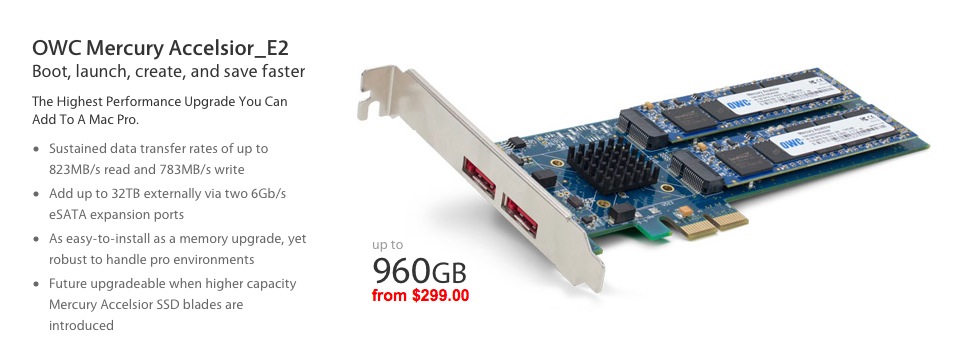
Since the new Xeon E5 processors only represent a minor upgrade over my current Xeon processor I am happy to wait for a new faster generation, if there is one! Still the new Mac Pro does have PCIe-based Flash Storage, which certainly does speed things up so I have installed an OWC Mercury Accelsior_E2 SSD in my own Mac Pro. It’s great!

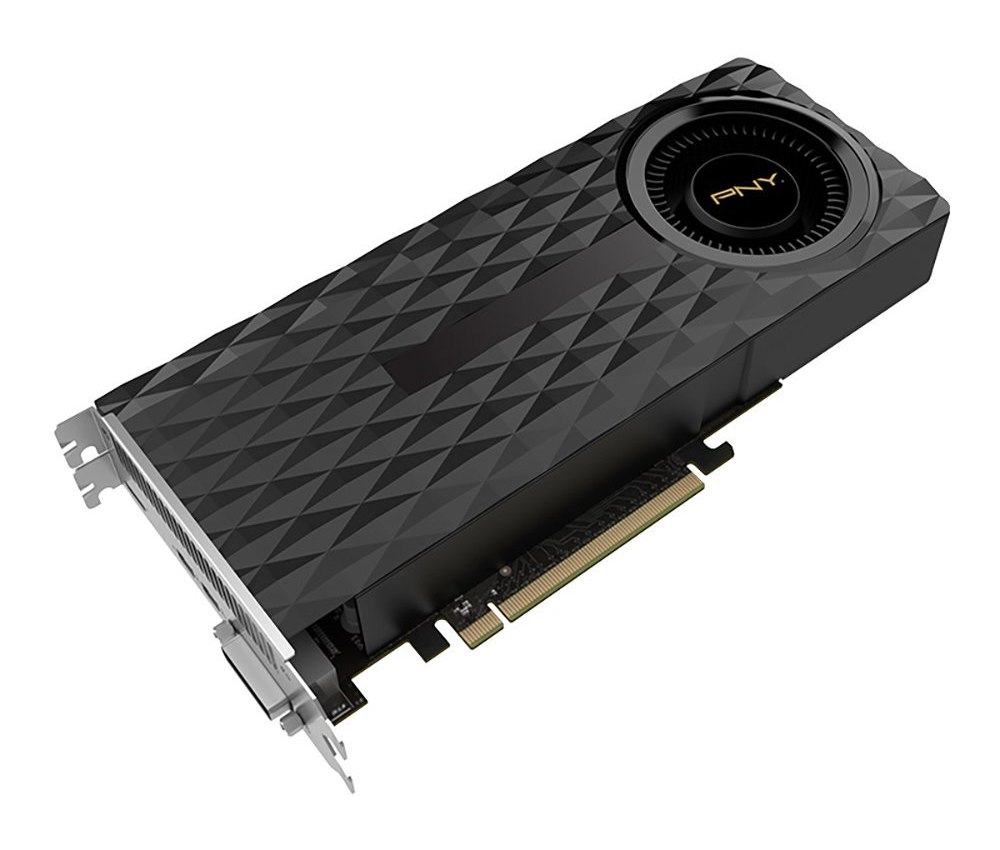
This graphics card has 4095MB of VRAM, HDMI 2.0 and can run a 5k monitor, as well as excellent Open CL, GL and CUDA benchmarks. A new Mac Pro cannot even run CUDA, since it uses AMD cards and in most tests the GTX-970 beats the fastest Mac AMD cards.I have also installed a cheap Orico USB3 card which works natively and is more reliable than external SATA. So my advice is to buy a second hand Mac Pro 4.1 or 5.1 and upgrade it to your required specification, rather than purchase a new Mac Pro 6.1, which is both expensive and inflexible.
Update 12 February 2016
Still the Fastest!
According to Novabench Benchmark Testing my computer is faster than a new Mac Pro! So much for Moore’s Law, and recent Apple engineering…
Tha average modern trashcan Mac Pro scores 1595 and the latest iMac 5k 1250, so unbelievably my 2009 Mac Pro is still the Worlds Fastest in 2016 !
Update 14 April 2017
Apple eats Humble Pie and admits building the wrong Mac Pro
Phil Schiller: We made something bold that we thought would be great for the majority of our Mac Pro users. And what we discovered was that it was great for some and not others. Enough so that we need to take another path.
Phil Schiller: Apple cares deeply about the Mac… and if we’ve had a pause in upgrades and updates on that, we’re sorry for that, what happened with the Mac Pro, and we’re going to come out with something great to replace it.
Craig Federighi: The architecture, over time, proved to be less flexible to take us where we wanted to go to address that audience. In hindsight, we would’ve done that differently. Now we are.
Update 15 December 2017
Hot Sierra Apple
I have just installed macOS Sierra 10.12.6 on my 2009 computer so I could use the updated Final Cut Pro X 10.4 with support for 360° VR Editing. I must say the transition went smoothly and remembered nearly all my previous preferences and tweaks. FCPX is a great piece of software and I am pretty impressed I am running such a recent system on a computer this ancient, even though Apple says you can’t. I did not have to do any special install tricks, although I had previously updated the firmware to 5.1 as mentioned above. So kudos to Apple.
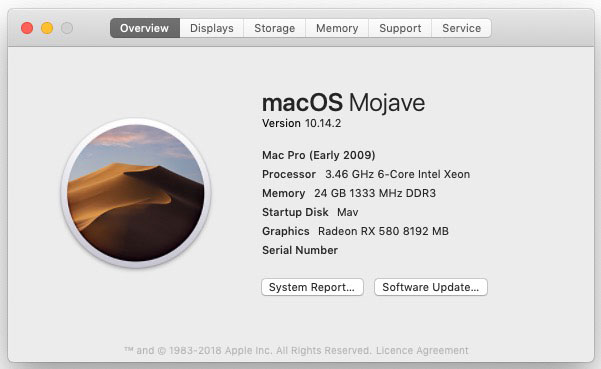
Apple have withdrawn support for Nvidia graphics cards, preventing them from running in Mojave. Under Sierra my NVIDIA GeForce GTX-970 was working well and supported Metal. Despite this Apple has forced me to buy a new AMD graphic card to run my 4k monitor on a newer system. The recommended card is a Sapphire Radeon RX 580 8GB, which while rather large works as a direct replacement. Specification wise it is not much better than my previous card, but does have 8gb video ram. The good news is that it works natively with Sierra 10.12.6 and higher, allowing for simpler system upgrades. Also had to buy a new dual mini 6 pin to 8 pin PCIe power connector, previous one was 6 pin of course.
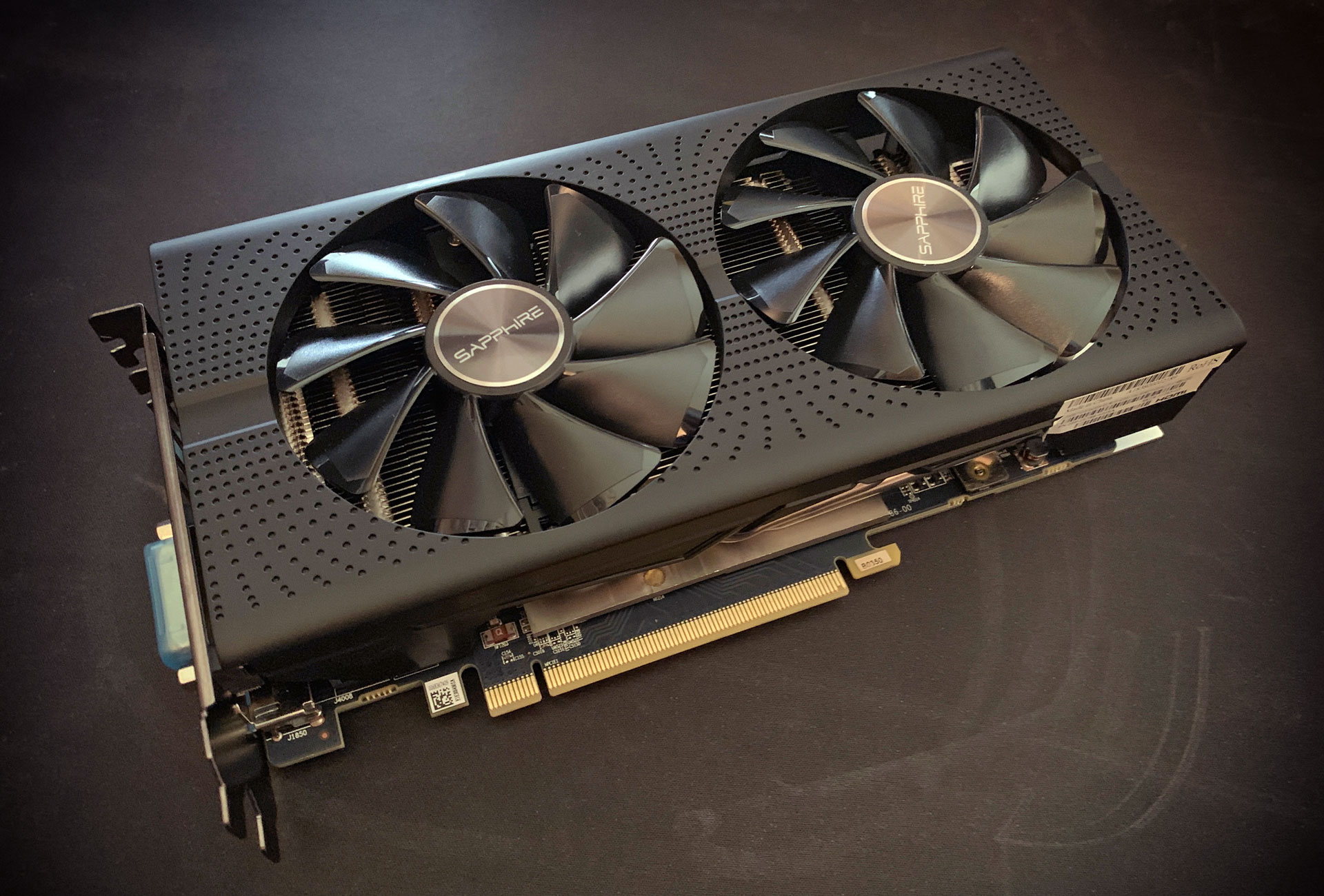
To upgrade my Mac Pro 5.1 (see above) it is advised to update first to High Sierra 10.13.6, to receive the required firmware updates. FileVault should be switched off, since it is no longer compatible with this old computer, fine for me since I never use it. The startup disk is a PCIe Accelsior SSD, which is converted to APFS, no problems so far. (There is a firmware update for this card from OWC, which avoids the need for an extension, I applied this before upgrading). Mojave Installer will crash if you have an additional incompatible video card installed, like the Nvidia GT120 or Radeon HD5770, so remove it first.
I was upgrading mainly to use the latest version of FCPx, a great application requiring a recent system. Still awaiting the new modular Mac Pro, now forecast for 2019.
Update 5 June 2019
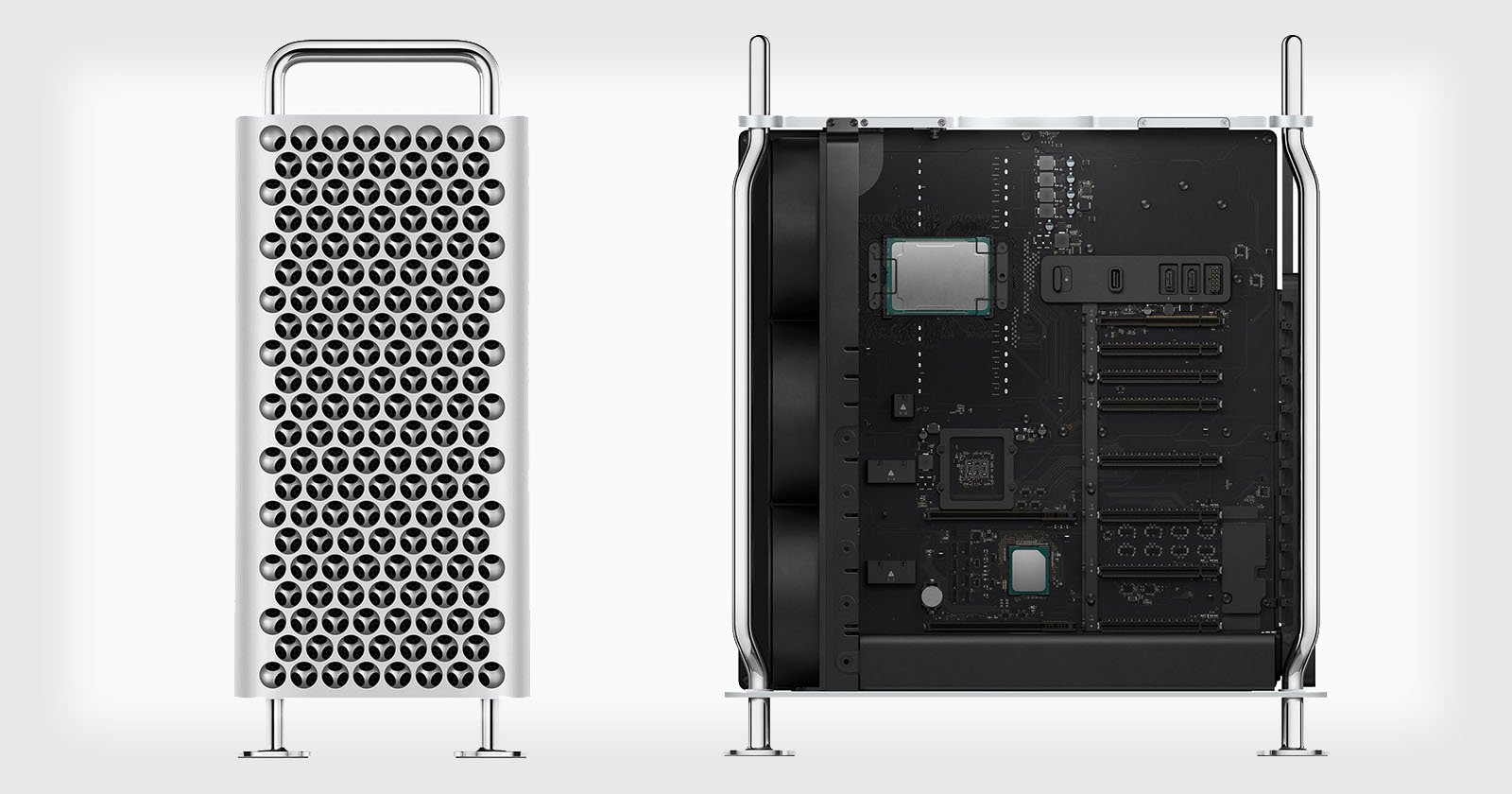
The Cheesegrater is Back!
At WWDC 2019 Apple unveiled the 2019 Mac Pro.
It looks awesome and costs as much as a car. Wheels will be available.
Well Done Apple !
*
Thierry Thierry Thierry
After 5 years playing abroad Thierry Henry comes on at The Emirates to score the winning goal after only his 5th touch.
Despite dominating possession for most of the game Arsenal still did not look like scoring until with just 20 minutes to go Henry came on as substitute for Marouane Chamakh. In the 78th minute, following a pass from Alex Song, he unleashed a poacher’s unerring kick across goal right into the corner of the net. Thus a man with his own statue outside the stadium had scored his 227th goal for the club and knocked out Leeds United from the FA Cup 1-0.
What a night and what a hero and yes he milked it. You couldn’t script it better.
Here’s my favourite goal from the Arsenal’s all time leading scorer.
Thierry Henry against Liverpool in the FA Cup 2007.
In this amazing goal Henry passes the ball to himself like a 1 man team, beating the renowned English international Jamie Carragher en route.
I Confess by K. D. Lang

Again and again and again have I played this great simple sing-along love song.
Drenched in emotion, her voice booms and cracks, great waves of sound bounce me off the floor, the spirit of Roy Orbison crying and shouting into a dark country night leaves me exhausted and exhilarated.
From a great album, Sing it Loud, this harks back to her wondrous breakthrough Ingénue in 1992.
I confess
I need you badly
Hold me in your arms
Love me madly
There is One World
No nuclear weapons
No intercontinental missiles
No landmines
No cluster bombs
No capital punishment
All guns are licensed
A maximum of 1% GDP can be spent on security
A maximum of 2 children per person
Condoms and contraception are free
Food, water and medicine are the great priorities
Education is mandatory for all 5-15 year olds
We wish to eliminate suffering
We are all in this together
We are as guardians
No politicians or ideologies
There are only administrators
The Universal Declaration of Human Rights must be respected
The Geneva Conventions are sacrosanct
All administrators are regularly elected
All countries are inviolate but meaningless
There are no tax havens or secret accounts
The rich subsidise the poor
Corruption is a great crime
Planning is long term
The least harm is the greatest good
Local and small is beautiful
Insurance is limited
Gambling and share dividends are taxed
Tax is high, gradated and simple
Things will never be equal
We move towards equality
We are the 99%
Energy is expensive
Meat is a luxury
Flying is taxed
Houses are insulated
A harvested tree must be replaced
The polluters must pay
Everyone has a home
Allotments and local produce are encouraged
Immigration is licensed
Racism, sexism and indoctrination are banned
You can only fight yourself
No More War
© Douglas Cape 2009/2011
Links for “In My World”
The Universal Declaration of Human Rights
Campaign for Nuclear Disarmament
World Coalition Against the Death Penalty
Amnesty International – Abolish the death penalty
The Richard Dawkins Foundation for Reason and Science
Schumacher Institute for Sustainable Systems